Wisdom Teeth
Wisdom teeth are the last molars at the back of the mouth, usually appearing in the late teens or early twenties. When there is not enough room for them to emerge normally, they may remain trapped beneath the gums or grow at an angle.
An impacted wisdom tooth does not always cause immediate symptoms. Dental imaging helps Dr. Song evaluate its position, development, and effect on the nearby teeth before recommending whether it should be monitored or removed.
When removal may help
Why Wisdom Teeth Are Evaluated
Wisdom teeth that are partially erupted or difficult to reach can trap food and bacteria. Depending on their position, they may contribute to:
- Gum tenderness, swelling, or recurring infection
- Decay in the wisdom tooth or neighboring molar
- Pressure, pain, or damage to nearby structures
- Gum disease around the back teeth
Each situation is different. A panoramic X-ray helps determine whether removal is advisable and the best time to consider it.
What Happens During Removal?
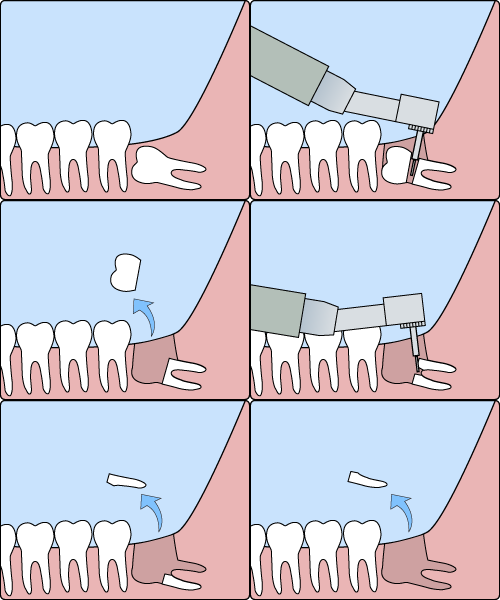
The area is numbed with local anesthetic before treatment begins. If a tooth remains beneath the gum or bone, a small opening may be needed to reach it. The tooth can sometimes be divided into smaller sections so it can be removed through a more conservative opening.
The complexity of removal varies with the tooth’s angle, root development, and surrounding bone. Dr. Song will explain what applies to your situation and discuss whether additional support for anxiety or comfort is appropriate.
Supporting a comfortable recovery
After Your Extraction
Healing time depends on the complexity of the extraction and your individual response. We will let you know what to expect and when a follow-up is needed.
Questions about your wisdom teeth? Let’s take a careful look.
Schedule a Consultation