Gum Disease
Gum disease, also called periodontal disease, is an infection of the tissues that surround and support your teeth. It is a leading cause of tooth loss in adults, yet it can progress with little or no discomfort. That is why checking the gums is an important part of every regular dental visit.
During an examination, Dr. Song evaluates the color and condition of your gums and measures the spaces between the teeth and gumline. These measurements help reveal inflammation and pockets that may be difficult to notice at home.
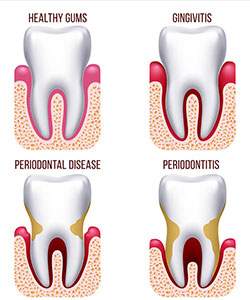
How it develops
What Causes Gum Disease?
Plaque is a sticky film of bacteria that continually forms on the teeth. When plaque is not removed with brushing, cleaning between the teeth, and professional care, it can harden and irritate the gums. The infection may then extend below the gumline, forming pockets that separate the gums from the teeth and allow more bacteria to collect.
Gingivitis
Gums may look red or swollen and bleed easily. At this stage, the supporting bone has not yet been permanently damaged, and consistent home care combined with professional cleaning can often restore gum health.
Periodontitis
Untreated inflammation can damage the gums and bone that support the teeth. Teeth may loosen or shift, and advanced disease can ultimately lead to tooth loss or the need for removal.
Factors That Increase Risk
- Smoking or using chewing tobacco
- Diabetes and other conditions that affect healing
- Certain medications, including steroids, anti-seizure drugs, cancer therapies, calcium channel blockers, and oral contraceptives
- Crooked teeth, old fillings, or bridges that no longer fit properly
- Hormonal changes during pregnancy
Signs Worth Checking
- Gums that bleed easily or feel tender
- Red, swollen gums or gums pulling away from teeth
- Persistent bad breath or an unpleasant taste
- Pus between the teeth and gums
- Permanent teeth that feel loose or are separating
- A change in your bite or the fit of a partial denture
Care matched to the condition
Treating Gum Disease
Treatment depends on how far the disease has progressed and how the gums respond to initial care. Dr. Song will explain the findings clearly and recommend the most appropriate next step.
Deep Cleaning
Scaling and root planing removes plaque and hardened deposits above and below the gumline, then smooths the root surfaces so the gums can heal more effectively.
Supportive Care
At-home periodontal trays or a tailored maintenance schedule may be recommended to help control bacteria and protect the results of treatment.
Advanced Treatment
More advanced cases may require periodontal or laser gum surgery. If a tooth cannot be saved, replacement options such as dental implants can be discussed after the infection is controlled.
Noticing changes in your gums? Let’s take a careful look.
Schedule a Consultation