Dental Bonding
Bonding is a conservative way to repair slightly chipped, discolored, or crooked teeth. During dental bonding, a white filling is placed onto your tooth to improve its appearance. The filling "bonds" with your teeth, and because it comes in a variety of tooth-colored shades, it closely matches the appearance of your natural teeth.
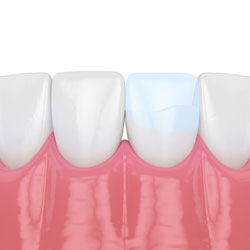
Small changes, thoughtfully made
Uses for Dental Bonding
Bonding uses a tooth-colored composite resin that Dr. Song shapes directly on the tooth. Because the material can be carefully color-matched and sculpted, it is a flexible option for subtle cosmetic improvements and certain small repairs.
- Repairing slightly chipped or cracked teeth
- Improving the appearance of discoloration
- Closing small spaces between teeth
- Making a short tooth appear longer
- Refining an uneven tooth shape
- Using tooth-colored material instead of visible silver fillings when appropriate
What to expect
How Dental Bonding Works
Plan and Match
Dr. Song examines the tooth, discusses the change you would like to make, and selects a resin shade that blends with the surrounding teeth.
Apply and Shape
The tooth surface is prepared so the material can bond securely. Composite resin is then placed in layers and shaped to create a natural contour.
Set and Polish
A special light hardens the resin. Dr. Song refines your bite and polishes the bonded area so it feels smooth and looks natural.
Protecting your result
Caring for Bonded Teeth
Bonding is durable for everyday use, but it can stain and is easier to chip than porcelain veneers or crowns. Good daily habits help the restoration stay attractive and comfortable.
- Avoid coffee, tea, red wine, and tobacco for the first 48 hours.
- Do not bite ice, pens, fingernails, or other hard objects.
- Brush, floss, and maintain regular professional cleanings.
- Tell us if the bonding feels rough, changes your bite, chips, or breaks.
Wondering whether bonding is the right fit for your smile?
Schedule a Consultation